-
The Memoirist’s Private Journal: 7 Prompts to Uncover Your Book’s Core Theme

Journaling is a secret engine behind powerful memoir writing. It gives authors a safe, private place to explore raw memories and feelings, ultimately distilling them into a meaningful story for readers. Editors and book coaches use guided prompts to help writers dig beneath surface anecdotes and reveal the deeper themes that will shape their memoirs,…
-
Memoir is Not a Diary: How to Tell Your Story in a Way That Resonates

A memoir is not a diary. It is an artful act of storytelling, crafted to take readers on a journey of meaning and empathy instead of showcasing a list of private thoughts. While diaries chronicle daily events and emotions in chronological, personal detail, memoirs deliberately select, shape, and organize life’s moments so they resonate with…
-
Writing a Psychological Thriller? Don’t Forget the Emotional Pacing.

Every psychological thriller needs its signature elements: an unreliable narrator, inner crisis, mind-bending twists, and authentically complex characters that readers can’t stop trying to decode. But if you want your thriller to truly grip readers – page after breathless page – you also need strong emotional pacing. The rhythm of suspense, tension, and release that…
-
Why Your Book’s First 10 Pages Matter More Than the Next 100

-
3 Signs You Might Be Too Close to Your Manuscript (and what to do about it)

Are You Too Close to Your Manuscript? You’ve been living inside your manuscript for weeks, maybe months, or even years. You know it inside and out. You’ve rewritten scenes, reshaped chapters, reworked whole sections. And now? You can’t tell if it’s brilliant or a disaster. This moment is completely normal, and a telltale sign that…
-
Why Editing Isn’t Just About Grammar: It’s About Protecting the Reader’s Experience
When most people hear the word editing, they think of red pens, grammar rules (the dreaded grammar police), and someone wagging a finger at a misplaced comma. But editing isn’t just about grammar. While yes—grammar matters. But as a book coach and editor, I can tell you that editing goes much deeper than sentence structure.…
-
Why You’re Not “Too New” to Work with an Editor

-
Self-Editing My Writing Prompt
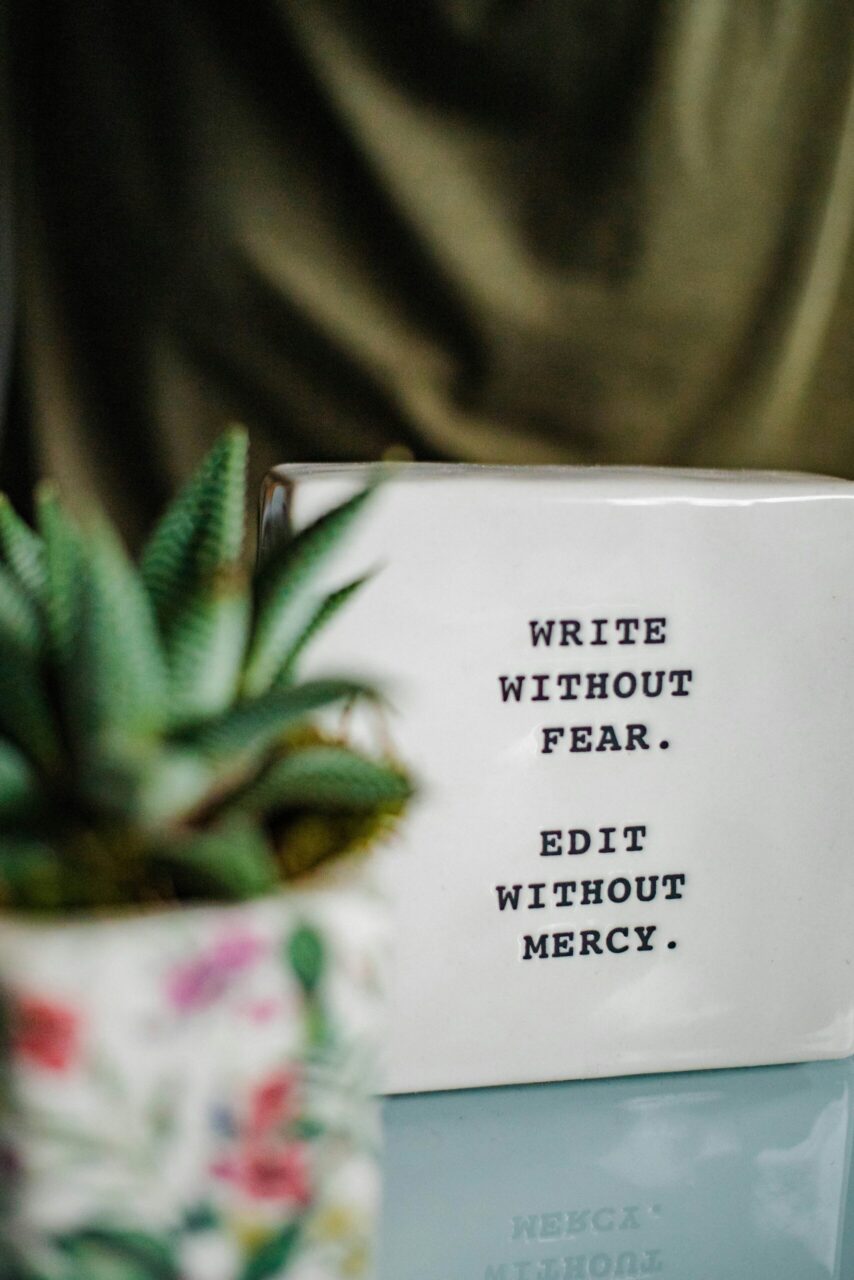
Leaving My Bubble This February I decided to leave my introverted bubble and attend two different writer’s groups that meet locally. One of the groups does a monthly writing prompt and asks members to prepare their prompt to share before the meeting. I had quite a time editing my writing prompt. I don’t consider myself…
-
How to Punctuate a Pause
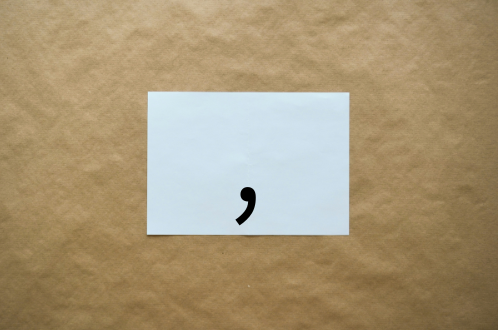
Readers have expectations; writers have responsibilities. How does an author communicate to the reader the way in which they intend the text to be read? Punctuation. How do you punctuate a pause in the text? Let’s explore. We know the basics: a period ends a statement, stop here; an exclamation point shows excitement; a question…
-
How to Use Track Changes for Authors